
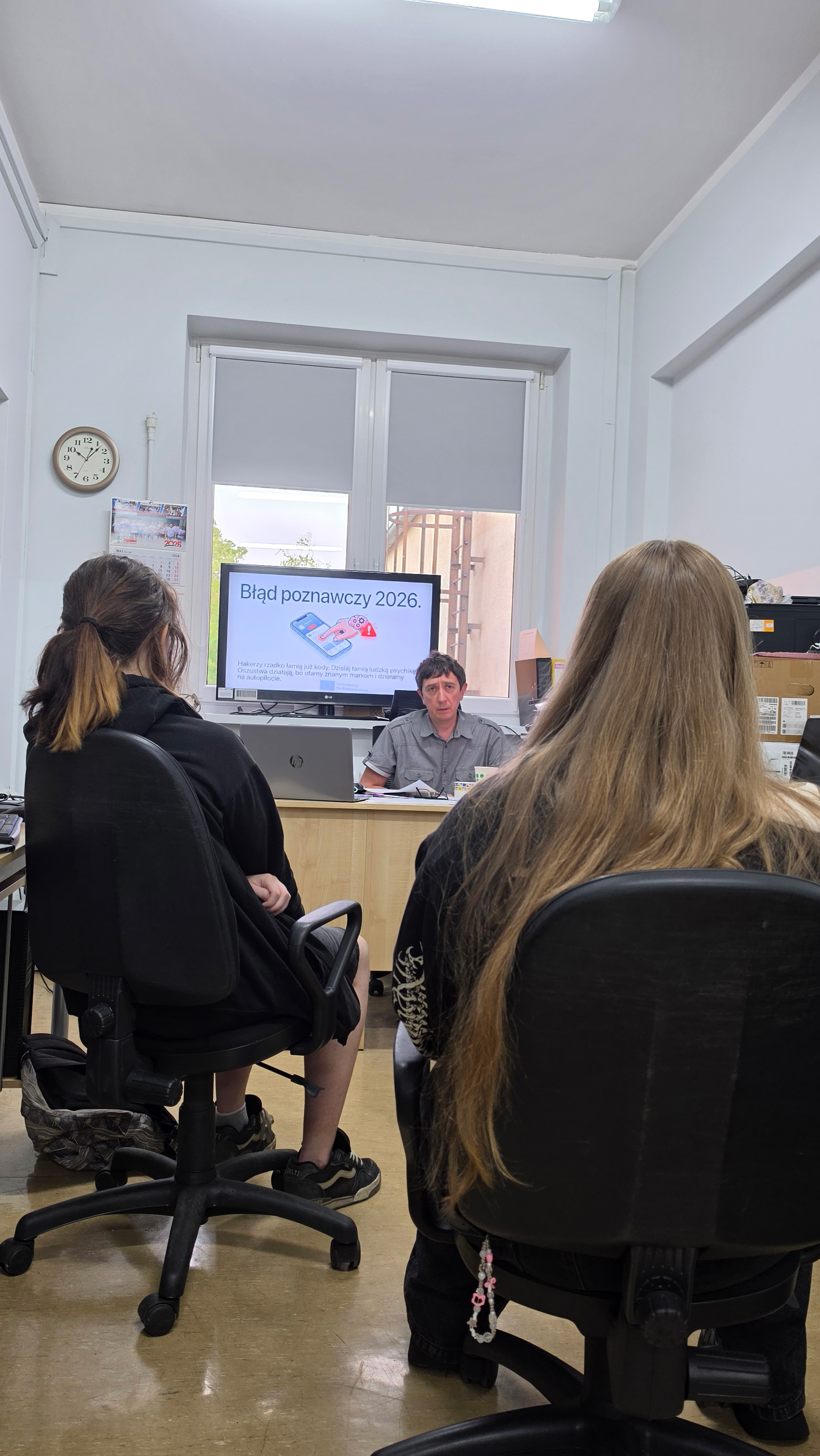
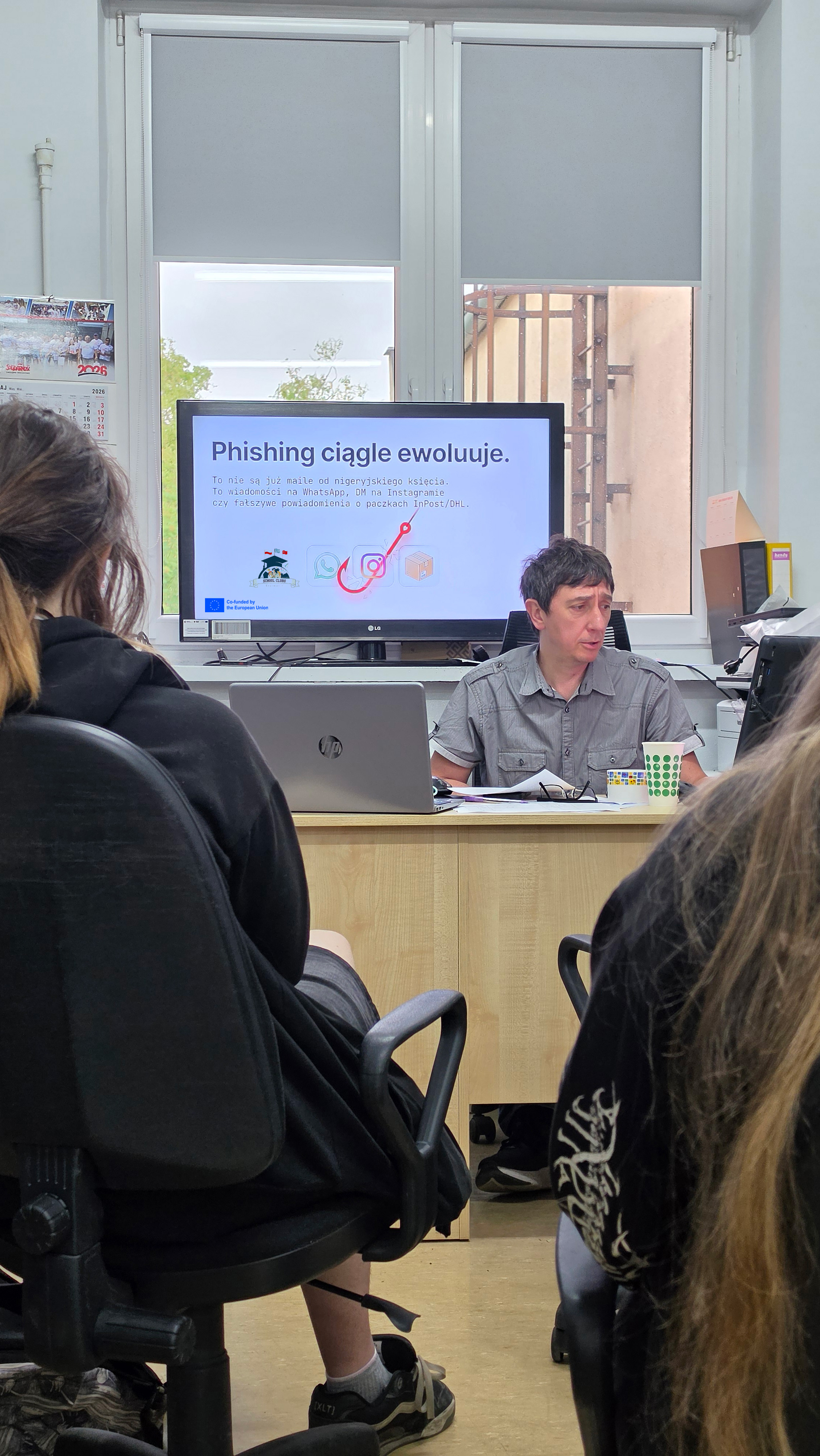
Uczestnicy Klubu Cyfrowego skupili się na rozwijaniu kompetencji przyszłości i umiejętności technologicznych.
 |
 |
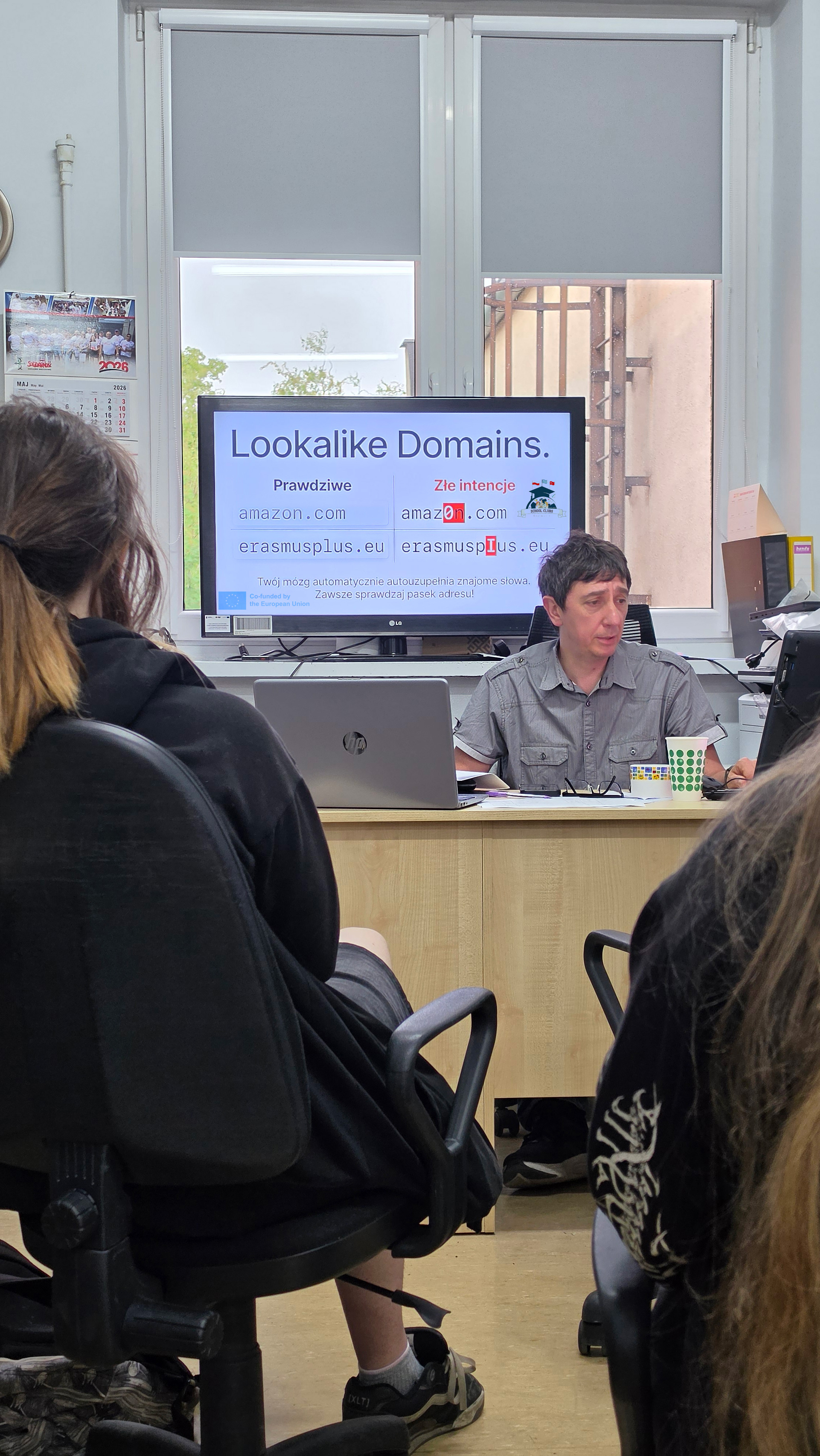 |
Pracując w grupach roboczych, uczniowie realizowali zadania z zakresu podstaw programowania, edycji wideo oraz tworzenia stron internetowych. Ważnym elementem projektu było zespołowe projektowanie grafiki użytkowej oraz nauka krytycznej analizy źródeł informacji w sieci. Młodzież wspólnie tworzyła cyfrowe materiały promujące działania Erasmus+, wykorzystując nowoczesne narzędzia i aplikacje chmurowe. Praca w tym klubie opierała się na stałej wymianie wiedzy technicznej i wzajemnej pomocy przy rozwiązywaniu problemów algorytmicznych, co zaowocowało wieloma innowacyjnymi projektami multimedialnymi.
Your Digital Survival Guide The Big Picture: More Opportunities, More Risks In 2026, the Erasmus+ program has a record-breaking budget of €5.2 billion, supporting over 1.275 million participants. While this is a massive chance for your personal growth, such a high flow of money and people makes students a prime target for professional hackers. The program now focuses heavily on Digital Readiness, which means you need to be smart about how you use technology during your exchange. The Psychology of the "Quick Click" Scammers know that you are often stressed, juggling deadlines, and spending nearly all your time online. They use "infinite scroll" and "fake urgency" to make you click without thinking. It takes only 0.5 seconds to make a mistake that could lead to identity theft. Top 3 Digital Threats to Watch in 2026
ClickFix Campaigns (517% Surge): This is a new, dangerous trick where a website shows a "fake error" and asks you to copy and paste a code into your computer’s terminal (PowerShell). Never do this! By doing so, you are manually installing a virus that gives hackers full control over your device.
Malvertising in Social Feeds: Nearly one in three ads (30.99%) on Meta platforms (Instagram, Facebook) in the EU points to a scam, phishing, or malware. Don't trust an ad just because it looks official or features a "deepfake" celebrity like Taylor Swift.
The Housing Trap: If you’re looking for a room in cities like Barcelona or Paris, beware of "Ghost Listings". Scammers offer beautiful apartments at prices 40% below market value. If the landlord is "abroad" and asks for a deposit via Western Union or crypto before a live video tour, it’s a scam.
The "Digital Shield" Habits
The 5-Second Rule: Stop and verify the URL. Real government or school sites end in .gov or .eu.
Guard Your Credentials: Never share your StudentAid.gov login or FSA ID with anyone, even if they claim to be "helping" you with your grant.
Secure Payments Only: Use traceable methods. Legitimate platforms often use escrow systems that only release your money after you successfully move in.
Team Solidarity: In Erasmus+, you are part of a team. Your digital safety protects your whole project group from account takeovers.
If you get scammed: Act fast! Contact your bank immediately, change your passwords, and report the incident to your Erasmus coordinator and official platforms like Report: Fraud.ftc.gov